 ONLINE SHOP · SINCE 2012
 41 items
 11 items

Key concepts:
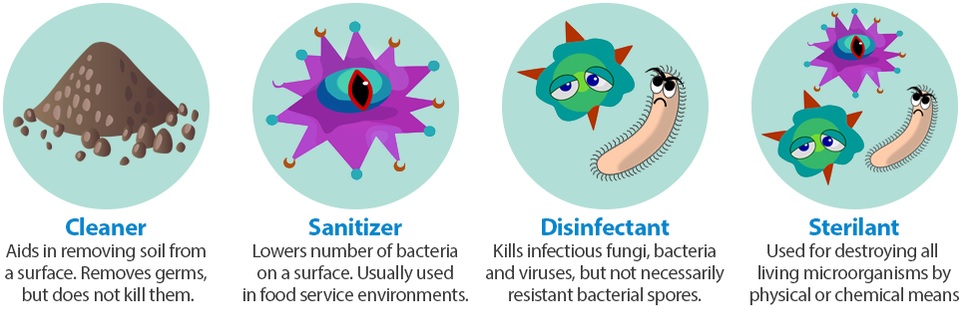
What is cleaning:
By cleaning we mean the removal of soiling and protein residues. Soiling and protein are the main basis for the growth of bacteria. By removing them, up to 80 % of bacteria are also eliminated.
What is disinfection:
By disinfection we mean the killing of at least 100,000 bacteria. Disinfection can only be successful if it is applied to clean surfaces. Disinfection does not provide a sterile surface.
What is sterilisation:
Sterilisation is the killing of all bacteria, so that not a single bacterium survives.
Types of hand disinfection:
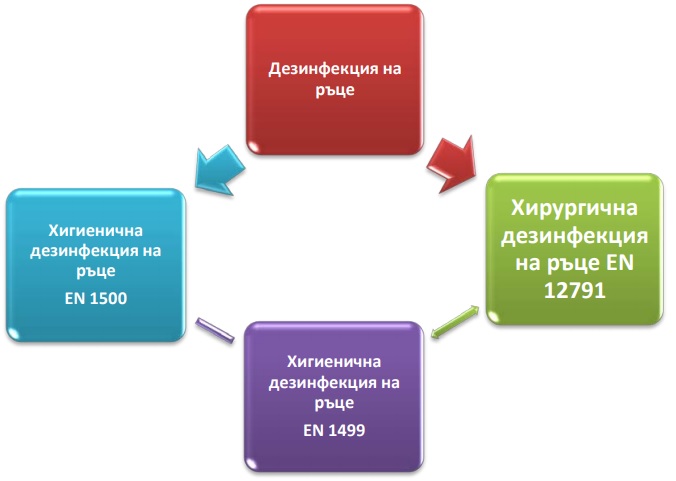
Hygienic hand disinfection:
Hygienic hand disinfection is carried out by applying alcohol-based preparations without adding water. This is the safest and quickest measure for preventing the transmission of potential disease-causing agents. Hygienic hand disinfection can be performed at any time on clean hands. Washing beforehand is necessary if the hands are soiled with protein.
Surgical hand disinfection:
In surgical hand disinfection according to the European standard EN 12791, the hands and forearms are first coated with a hand disinfectant. During the subsequent rubbing-in phase, the hands and forearms are rubbed thoroughly. During rubbing in, the hands and forearms must be completely covered.
Hygienic hand washing:
In hygienic hand washing the product is applied with water. The product is rinsed off with water and the hands are dried with paper. This process shows that it can also be used as a disinfection measure, but it is not as effective as hygienic hand disinfection. This measure is recommended for WC facilities, but it is not sufficient as hand disinfection in the kitchen, for example.
Surface disinfection:
Surface disinfectants only work properly on a previously cleaned surface. In particular, protein and grease soiling must be removed immediately with a suitable cleaning product. It is important to observe the application concentration and the contact time. Fast-acting alcohol-based disinfectants work until the alcohol has evaporated.
Bacteria:
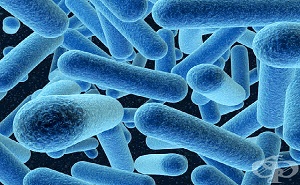 Bacteria consist of a single cell and are therefore microscopic. To obtain 1 mm of bacteria we would have to thread 1000 beads onto a necklace. Like other living creatures, they need to feed. Bacteria are almost everywhere (air, soil, water). Favourable living conditions are moisture, warmth and a good nutrient medium (absorbent cloths, tap fittings, food left out of the fridge). That is where they multiply best. Under favourable conditions, 17 billion bacteria develop from a single bacterium in 17 hours. The aim of disinfection is to reduce the number of bacteria to such an extent that they pose no immediate danger. In addition, there are bacteria that produce toxins. These can cause food poisoning. To prevent this, in most cases it is sufficient to maintain an unbroken cold chain for the products.
Viruses:
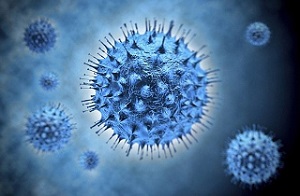 Viruses are far smaller than bacteria. Unlike bacteria, viruses are not independent organisms. In order to spread, they have to penetrate a host cell. They reprogramme this cell so that it forgets its own purpose and produces nothing but viruses. Viruses can only reproduce by subjugating and controlling other cells, since they do not possess their own cellular apparatus for self-reproduction. They come in a variety of shapes: spherical, rod-shaped, polyhedral and others. Like bacteria, viruses occur in soil and liquids, but also in air and blood. Examples of viral diseases: influenza, herpes, AIDS, COVID-19.
We distinguish between two types of virus:
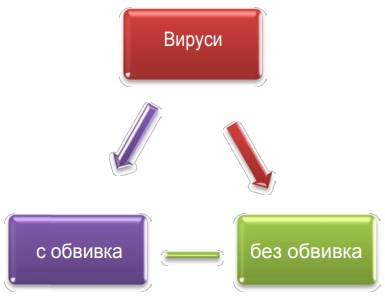
Enveloped viruses:
Enveloped viruses are not very stable, i.e. they react sensitively to all disinfectants compared with non-enveloped viruses. Examples of enveloped viruses: COVID-19 (coronavirus), Influenza (flu), HIV (Aids), HBV (Hepatitis B), HCV (Hepatitis C), Vaccinia (smallpox), BVDV (bovine viral diarrhoea). If a disinfectant product has limited virucidal activity, it is effective against these viruses.
Non-enveloped viruses:
Non-enveloped viruses are very stable. Among other things, they survive in textiles for more than several weeks. Disinfectants must also have a very high ethanol (alcohol) content or contain special active substances (aldehydes, peroxides). Examples of non-enveloped viruses: noroviruses, rotavirus, polyoma-SV40 = HPV (causes cervical cancer), polio (infantile paralysis), adeno, hepatitis A (jaundice).
How viruses are spread:
As with bacteria, viruses can also reach the mouth via the hands. Because of their size, viruses are transmitted very easily; hepatitis B, for example, can be passed on through laundry (dried blood on the laundry). Unlike with bacteria, people can be vaccinated against many viral diseases. The bacterial test used for bacteria cannot be applied to viruses. Correct and consistent hand and surface disinfection measures are therefore all the more important.
Foodstuffs are freed from viruses by heating to > 60°C.
Source: Haglaitner manual https://www.hagleitner.com/
